Ground Source Heat Pumps: How Do They Work and Are they Suitable for my home?
One of the most efficient and sustainable heating options available today is the ground source heat pump (GSHP). While the upfront costs can seem high, the long-term benefits make ground source heat pumps an increasingly popular choice for a low-carbon home.
Table of Contents
What Is a Ground Source Heat Pump?
A ground source heat pump uses renewable heat stored in the ground to provide heating and hot water for your home. Below the surface, the ground maintains a fairly stable temperature of around 8–12°C all year round, making it a reliable heat source even in winter.
How Do Ground Source Heat Pumps Work?
The system works through a process of heat extraction and amplification:
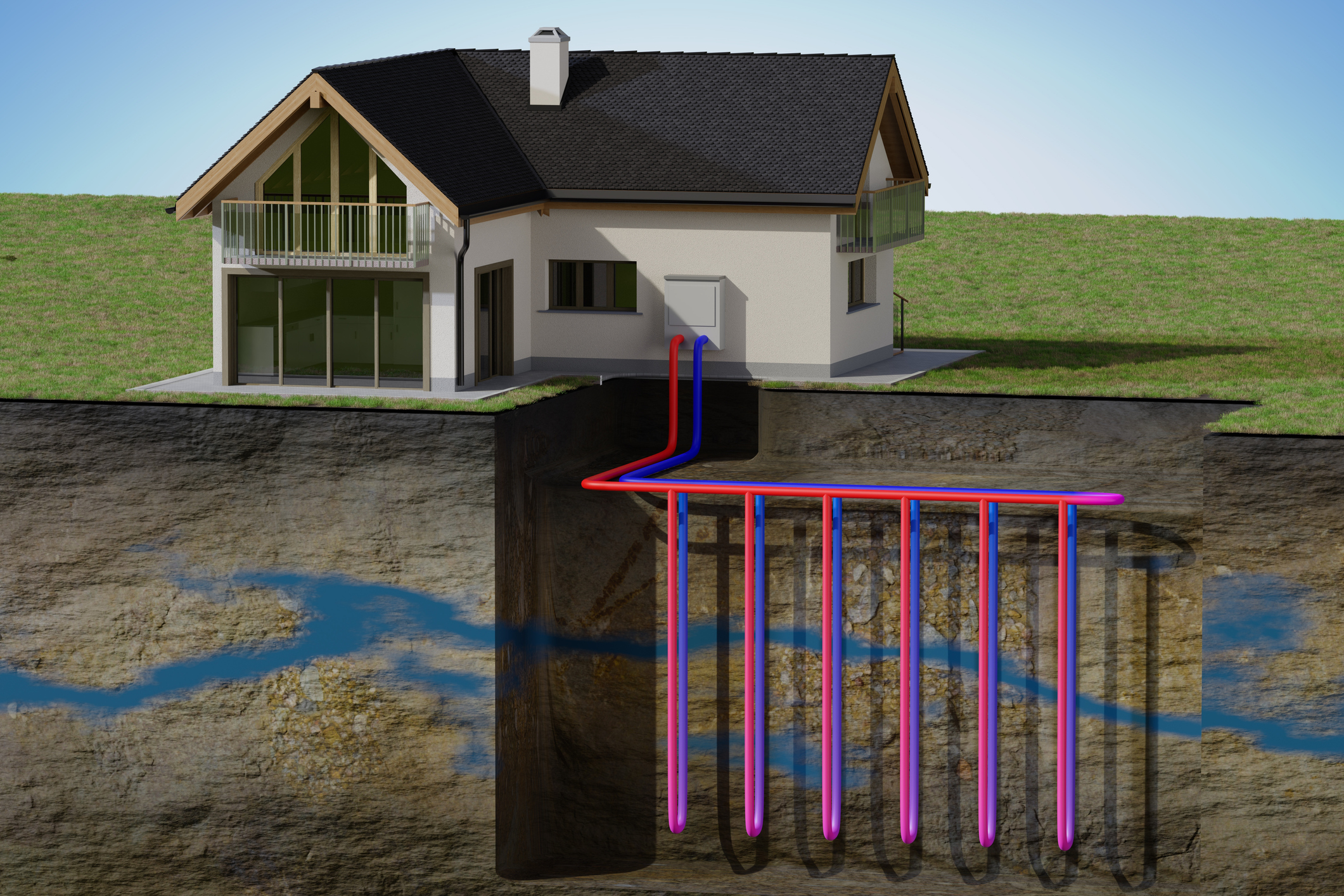
A long loop of pipe filled with water and antifreeze (known as a ground loop) is buried in the earth. This can be laid horizontally in trenches at least 1.5 metres deep, or vertically in deep boreholes if space is limited.
The liquid in the loop absorbs heat from the ground.
This liquid passes through an electrically powered heat pump, where the heat is extracted.
Using electricity, the heat pump boosts the temperature for your home heating system.
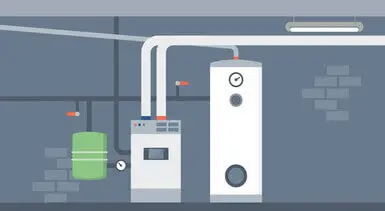
Heat is transferred into a buffer tank, which supplies hot water to radiators, underfloor heating, and taps.
The cooled liquid is then returned to the ground loop to repeat the cycle.
Advantages of Ground Source Heat Pumps
Ground source heat pumps offer a number of benefits:
Reduced carbon footprint
Lower energy bills over the long term
Heating for both your home and hot water
Low maintenance requirements
Longer lifespan than traditional heating systems
When properly designed and installed, GSHPs are one of the most reliable and sustainable heating systems available.
Is a Ground Source Heat Pump Suitable for My Home?
Ground source heat pumps are especially effective in:
Properties without a mains gas connection, such as rural homes
Homes currently using oil, LPG, or electric heating
New builds or renovated homes designed with energy efficiency in mind
In these cases, a ground source heat pump can fully replace existing heating systems.
Ground Conditions and Space Requirements
The geology of the land around your property is important to consider:
Soils that retain heat well, such as clay or loam, are ideal.
Sandy soils, which drain quickly, may require deeper or borehole installations Outdoor space is required for the ground loop:
As a general guide, around twice the footprint of the property is needed for horizontal ground systems.
Borehole systems reduce land use but require access for drilling equipment.
Efficiency and Seasonal Performance Factor (SPF)
The performance of a ground source heat pump is measured using the Seasonal Performance Factor (SPF):
SPF represents the ratio of heat produced to electricity consumed over a year.
An SPF of 3 means the system delivers three units of heat for every unit of electricity used.
To qualify as renewable under current standards, heat pumps must achieve an SPF of at least 2.5.
What Are the Costs and Expenses?
A typical ground source heat pump system (6–12 kWp) costs between £14,000 and £19,000 to install.
Electricity use will increase, but this is usually offset by savings on gas, oil, or electric heating.
Correct sizing and professional design are essential to keep running costs low.
Homeowners in England and Wales can benefit from the Boiler Upgrade Scheme, with a £7,500 grant available towards the installation of a ground source heat pump.
Maintenance
Ground source heat pumps require servicing only every few years
They have fewer moving parts than boilers, improving reliability
Systems are expected to operate effectively for 20+ years
Planning Permission
Most ground source heat pump installations are classed as permitted development, meaning planning permission is not usually required. Certain conditions and exemptions apply, so it is advisable to confirm requirements with your local planning authority.
Choosing the Right Installer
To ensure high performance and eligibility for grants, choose an MCS-certified installer,
MCS certification ensures your installation complies with technical standards and access to government incentives such as the Boiler Upgrade Scheme.
Ground source heat pumps offer an efficient, reliable, and environmentally responsible way to heat homes in 2025. With suitable land for ground loops or boreholes and a well-designed heating system, a ground source heat pump can deliver consistent comfort and long-term savings.